10 Best Health Benefits of Spinach
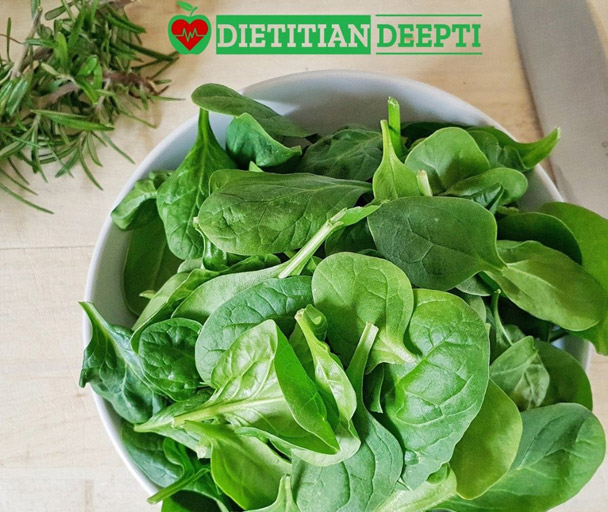
The Incredible Benefits of Spinach: A Superfood Worth Adding to Your Diet
Those who grew up watching Popeye the Sailor cartoons are probably well aware of the immense benefits of spinach. For many parents of that time, encouraging children to eat spinach was as simple as showing them the animated hero, Popeye, who famously gained strength from this leafy green.
Spinach—scientifically known as Spinacia oleracea—is a Persian vegetable that belongs to the Amaranth family. It is now widely used across the globe due to its incredible health benefits. This green leafy vegetable is available in all seasons and in various regions worldwide.
Spinach is a powerhouse of nutrients. Its leaves are a rich source of several essential vitamins and minerals, including Vitamin K, Iron, Vitamin A, and Calcium. These nutrients play crucial roles in promoting strong bones, boosting immune function, and supporting overall health.
Nutritional Profile of Spinach
Spinach is packed with vital vitamins and minerals that offer numerous health benefits. Here's a breakdown of its nutritional profile per 100 grams:
| Nutrient | Amount | Daily Value (%) |
|---|---|---|
| Protein | 2.14 grams | - |
| Carbohydrates | 9.43 grams | - |
| Energy | 305 kJ | - |
| Total Fat | 0.64 grams | - |
| Total Fiber | 3.87 grams | 12% |
| Thiamine (B1) | 0.16 mg | 13% |
| Riboflavin (B2) | 0.10 mg | 8% |
| Niacin (B3) | 0.33 mg | 2% |
| Pantothenic Acid (B5) | 0.22 mg | 4% |
| Pyridoxine (B6) | 0.15 mg | 12% |
| Biotin (B7) | 4.14 mcg | 13% |
| Folate (B9) | 142 mcg | 35% |
| Vitamin D | 0.26 mcg | - |
| Vitamin C | 30.28 mg | 47% |
| Vitamin A (Beta Carotene) | 2605 mcg | 260% |
| Vitamin K (K1) | 325 mcg | 590% |
| Iron | 2.95 mg | 16% |
| Calcium | 82.29 mg | 8% |
Benefits of Spinach
- Promotes Gut Health
Spinach is rich in fiber, with 3.87 grams per 100 grams. It acts as a prebiotic, promoting the growth of healthy gut bacteria. This supports improved digestion and nutrient absorption, contributing to better gut health overall. (1) - Supports Weight Loss
Spinach is a low-calorie, high-fiber food that helps you feel full for longer periods. It can be a valuable addition to your weight loss journey. Spinach is rich in protein and energy, making it an excellent choice for those looking to manage their weight. You can add spinach to smoothies, cereals, or use it as a puree to enhance your meals. - Helps Combat Anemia
Spinach is a great source of iron, which is essential for preventing iron deficiency anemia. Anemia can lead to fatigue, headaches, and mood swings. Spinach also contains folate, which helps boost iron absorption when paired with Vitamin C. (2) For an extra health boost, consider adding a squeeze of lemon to your spinach or incorporating it into a vegetable salad. - Boosts Immunity
Spinach is often considered a superfood due to its rich antioxidant content. It’s loaded with Vitamin C, which plays a crucial role in strengthening the immune system. Fresh spinach leaves contain 32.28 mg of Vitamin C, providing 47% of your daily intake. Additionally, the high levels of Vitamin A in spinach (260% of daily value per 100 grams) help fight viruses, bacteria, and other harmful pathogens. - Reduces Inflammation
Spinach is an excellent source of B vitamins, Vitamin E, and Omega-3 fatty acids, all of which have anti-inflammatory properties. Including spinach in your diet helps reduce inflammation, particularly when combined with a healthy eating plan that eliminates junk food. By choosing nutrient-dense foods like spinach, you can combat inflammation without relying on pharmaceuticals. - Enhances Eye Health
Spinach is rich in carotenoids such as lutein and zeaxanthin, which are found in the retina and lens of the eye. These carotenoids act as macular pigments, protecting the retina from oxidative damage and supporting overall eye health. Regular consumption of spinach can help maintain good vision and protect against age-related eye conditions. - Strengthens Bones
While calcium and Vitamin D are essential for bone health, Vitamin K is equally important. Spinach is one of the richest sources of Vitamin K, providing 590% of the recommended daily value per 100 grams. Vitamin K plays a crucial role in calcium metabolism and bone mineralization, ensuring stronger bones and improved bone density. - Promotes Strong Muscles
Spinach contains nitrates that convert into nitrogen oxide in the body. Nitrogen oxide has anti-inflammatory properties and helps enhance muscle power. This makes spinach an excellent food for improving muscle strength and reducing muscle fatigue, contributing to better physical performance. (3) - Fights Cancer
Spinach’s antioxidant properties make it a powerful fighter against cancer. The carotenoids found in spinach, including beta-carotene, lutein, and zeaxanthin, help neutralize harmful free radicals in the body. Some studies have shown that a compound in spinach called neoxanthin can even kill prostate cancer cells. (4) - Prevents Mental and Physical Aging
The high levels of B vitamins, Vitamin A, Vitamin C, and Omega-3 fatty acids in spinach make it a fantastic anti-aging food. Polyphenols in spinach improve cognitive function, memory, and protect brain cells from oxidative stress. By reducing the impact of aging on the brain and body, spinach helps keep you mentally and physically youthful.
Conclusion
Spinach is undoubtedly a nutritional powerhouse, offering a range of health benefits from supporting immunity to promoting strong bones and muscles. Whether you enjoy it in salads, soups, smoothies, or cooked dishes, this green leafy vegetable should be a staple in your diet for optimal health.
What benefits of spinach have you experienced in your own life? Share your thoughts with us!
If you found this article helpful, don’t forget to share it with your friends and family so they can also understand the many incredible benefits of spinach!